
WHAT IS DIGITAL MARKETING
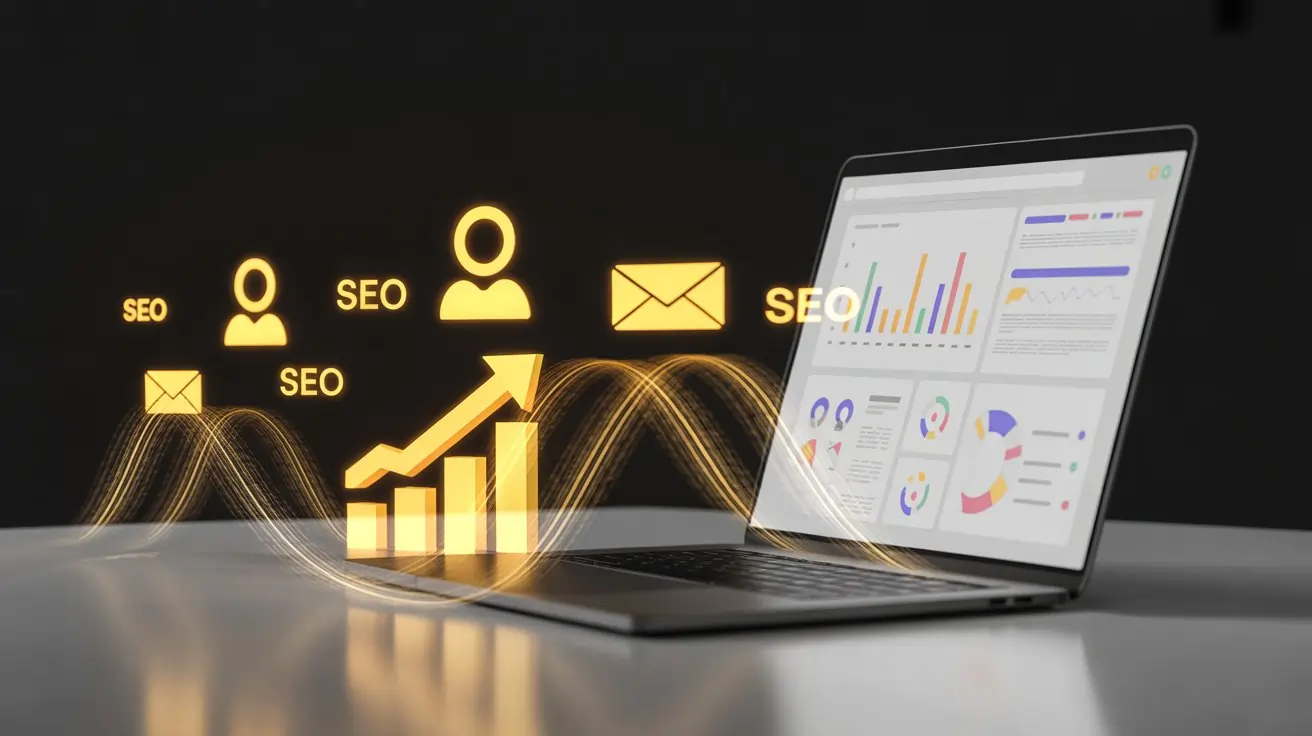
A few years ago, businesses relied mainly on newspapers, television, and billboards to reach customers. Today, the situation is completely different. People spend hours online—scrolling social media, searching on Google, reading blogs, and watching videos.
If your business is not visible where your audience spends time, you are simply invisible.
This is where digital marketing becomes essential.
Digital marketing is not just about posting on social media or running ads. It is about understanding your audience, reaching them at the right moment, and guiding them toward taking action—whether that is purchasing a product, booking a service, or trusting your brand.
In simple terms, digital marketing helps businesses grow in the online world where customers already exist.
What Is Digital Marketing?
Digital marketing refers to promoting products, services, or brands using digital platforms and online technologies. Instead of traditional advertising methods, businesses use the internet and digital channels to connect with potential customers.
These channels include search engines, social media platforms, websites, email, and online advertisements.
The main objective of digital marketing is not just visibility—it is creating meaningful interactions with the right audience and turning those interactions into measurable results.
For example, when someone searches for “best digital marketing expert in Kerala” on Google and finds a professional website, that visibility is a result of digital marketing strategies like search engine optimization.
Similarly, when a small business promotes its products through Instagram ads and starts receiving inquiries, that is digital marketing working effectively.
Key Components of Digital Marketing
Digital marketing is a combination of several strategies working together. Each component plays a unique role in attracting, engaging, and converting customers.
Below are the most important elements that form the foundation of digital marketing.
1.Search Engine Optimization (SEO)
SEO focuses on improving a website’s visibility on search engines. When users search for information, products, or services, SEO helps your website appear in the search results.
A well-optimized website attracts organic traffic without paid advertising
2.Social Media Marketing
Social media platforms allow brands to communicate directly with their audience. Businesses use platforms like Instagram, LinkedIn, and Facebook to build communities, share content, and create brand awareness.
It is not just about posting content—it is about building relationships with people.
3.Content Marketing
Content marketing focuses on creating valuable and relevant content to attract an audience. Blogs, videos, infographics, and guides help educate potential customers and build trust.
Quality content answers questions that your audience is already searching for online.
4.Pay-Per-Click Advertising (PPC)
PPC advertising allows businesses to display paid ads on search engines or social media platforms. Advertisers pay only when someone clicks on the ad.
This method helps generate instant traffic and quick visibility.
5.Email Marketing
Email marketing remains one of the most powerful digital communication tools. Businesses use email campaigns to share updates, offers, newsletters, and valuable content with their subscribers.
It helps maintain long-term relationships with customers.
Benefits of Digital Marketing for Businesses
Digital marketing is popular not just because it is modern, but because it delivers measurable results. Businesses of all sizes—from startups to global brands—use digital strategies to grow faster and smarter.
Here are some of the key benefits
- Global Reach – Businesses can connect with audiences beyond geographical limitations.
- Cost-Effective Marketing – Compared to traditional
- advertising, digital campaigns often require lower investment.
- Targeted Audience Reach – Businesses can focus on specific demographics, interests, and behaviors.
- Measurable Results – Tools and analytics provide clear insights into campaign performance.
- Improved Customer Engagement – Social media and content allow direct interaction with customers.
- Stronger Brand Awareness – Consistent online presence builds recognition and trust.
- Higher Conversion Opportunities – Targeted marketing increases the chances of turning visitors into customers.
- Real-Time Performance Tracking – Businesses can adjust strategies instantly based on results.
- Better Customer Insights – Data reveals how audiences think, search, and purchase online.
- Scalable Business Growth – Digital marketing strategies grow along with the business.
Real-World Applications of Digital Marketing
To understand the power of digital marketing, consider a simple example.
Imagine a local clothing store launching an online campaign. By combining SEO, social media promotions, and targeted advertisements, the store begins attracting customers from nearby cities. Within weeks, website visits increase, social media engagement grows, and online orders start coming in.
This transformation happens because digital marketing connects businesses directly with people who are already searching for similar products or services.
Even freelancers and professionals use digital marketing to build their personal brands, attract clients, and establish authority in their industry.
Why Digital Marketing Matters Today
The way people discover brands has completely changed. Before making a purchase, most customers search online, read reviews, and compare options.
If a business does not appear in those search results or social media feeds, it loses potential opportunities.
Digital marketing ensures that businesses remain visible, competitive, and relevant in this fast-moving digital environment.
Final Thoughts
Digital marketing is no longer an optional strategy—it has become the backbone of modern business growth. It combines creativity, technology, and data to help brands reach the right people at the right time.
Whether it is a small startup, a growing brand, or an independent professional, digital marketing provides the tools needed to connect with audiences, build trust, and generate sustainable results.
In a world where attention is mostly online, businesses that understand and apply digital marketing effectively will always have a strong advantage.